جسمك بيضوّي في الضلمة فعلًا

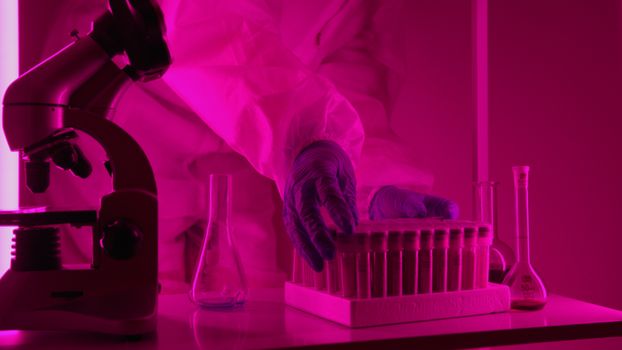
Photo: Kindel Media / Pexels
العلم مليان مفاجآت بتقلب البديهيات راس على عقب، وواحدة من أطرفها هي: جسمك بيضوّي في الضلمة فعلًا. معلومة زي دي بتفكرك إن الطبيعة أذكى بكتير من اللي إحنا متعودين نتخيله.
جسم الإنسان بيطلع ضوء خافت من تفاعلات كيميائية في الخلايا — أضعف من قدرة العين بـ1000 مرة بس الكاميرات الحساسة بتصوره. توهجك بيزيد ويقل على مدار اليوم.
أجمل حاجة في العلم إنه بيحول السؤال البسيط لرحلة. سؤال زي 'ليه ده بيحصل؟' ممكن ياخد علماء عقود كاملة عشان يجاوبوا عليه، وبعد ما يجاوبوا بيكتشفوا إن الإجابة فتحت عشر أسئلة جديدة. الظاهرة اللي بتقرا عنها النهارده ممكن تكون غيّرت فهمنا لحاجة أساسية.
المنهج العلمي بسيط في فكرته وعبقري في نتيجته: لاحظ، افترض، اختبر، وكرر. بس التطبيق على أرض الواقع بيحتاج تجارب معقدة وأدوات دقيقة وسنين من الصبر. ورا كل معلومة 'بسيطة' بتقراها في سطرين، فيه فرق بحث كاملة اشتغلت لسنين عشان تثبتها.
كتير من أعظم الاكتشافات العلمية حصلت بالصدفة — البنسلين والميكروويف والأشعة السينية كلها لقاها علماء وهم بيدوروا على حاجة تانية خالص. الفرق بينهم وبين غيرهم إنهم وقفوا وسألوا 'ده غريب، ليه حصل كده؟' بدل ما يرموا النتيجة في الزبالة.
العلم مابيتكلمش بلغة 'الحقيقة المطلقة' — بيتكلم بلغة 'أحسن تفسير عندنا دلوقتي'. كل نظرية عندنا هي أحسن نموذج موجود للأدلة المتاحة، ودي نقطة قوة مش ضعف: لما تظهر أدلة جديدة، العلم بيتحدث نفسه. عشان كده بيثبت صح على طول.
لو فكرت فيها، كل حاجة حواليك هي تطبيق لاكتشاف علمي حصل في يوم من الأيام — الموبايل في إيدك والكهربة والدوا والنظارة اللي بتقرا بيها. العلم مش ترف، هو الأساس اللي الحياة الحديثة مبنية عليه، والمعلومات الصغيرة دي هي الطوب اللي بيتبني بيه.
والمفارقة الجميلة إن أعظم العلماء في التاريخ كانوا أول من يعترف بكمية اللي ميعرفوش. نيوتن قال إنه زي طفل بيلعب على شاطئ المحيط العظيم للحقيقة. التواضع ده مش ضعف — هو المحرك اللي بيخلي العلم يتحرك للأمام جيل ورا جيل.
وفي الآخر، المعلومة العلمية الصغيرة دي هي أول خطوة في رحلة أطول — منها للفضول، ومن الفضول للأسئلة، ومن الأسئلة للمعرفة الحقيقية. كل عالم بدأ بنفس البداية: لاحظ حاجة غريبة وقرر إنه مش هيسكت لحد ما يفهمها.
العلم مش معلومات جامدة في كتب — هو طريقة تفكير بتخلينا نسأل 'ليه؟' في كل حاجة حوالينا. وكل ما تعرف أكتر، كل ما الدنيا تبقى أغرب وأجمل.
Science is full of surprises that flip common sense on its head, and one of the most delightful is this: Your Body Literally Glows in the Dark. Facts like this remind us that nature is far cleverer than we usually assume.
The human body emits faint light from cellular chemical reactions — 1,000 times weaker than the eye can see, but sensitive cameras capture it. Your glow actually rises and falls throughout the day.
The best thing about science is how it turns a simple question into a journey. 'Why does this happen?' can take researchers decades to answer — and when they finally do, the answer opens ten new questions. The phenomenon you just read about may well have reshaped our understanding of something fundamental.
The scientific method is simple in concept and brilliant in result: observe, hypothesize, test, repeat. But applying it in the real world demands complex experiments, precise instruments, and years of patience. Behind every 'simple' two-line fact lies entire research teams who spent years proving it.
Many of the greatest discoveries happened by accident — penicillin, the microwave, and X-rays were all found by scientists looking for something else entirely. What set them apart was stopping to ask 'that's odd, why did that happen?' instead of throwing the result away.
Science does not speak in absolute truth — it speaks in 'the best explanation we have right now.' Every theory is our best model for the available evidence, and that is a strength, not a weakness: when new evidence appears, science updates itself. That is why it keeps being right.
If you think about it, everything around you is applied science — the phone in your hand, electricity, medicine, even the glasses you read with. Science is not a luxury; it is the foundation modern life stands on, and small facts like this one are its building blocks.
The beautiful irony is that the greatest scientists in history were the first to admit how much they did not know. Newton said he was like a child playing on the shore of a vast ocean of truth. That humility is not weakness — it is the engine that keeps science moving forward, generation after generation.
Science is not rigid facts in books — it is a way of thinking that makes us ask 'why?' about everything around us. And the more you learn, the stranger and more beautiful the world becomes.