البرقية اللي كسرت التلفون

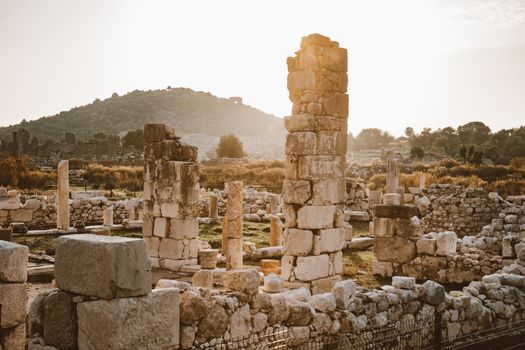
Photo: İdil Ceren Çelikler / Pexels
التاريخ مليان قصص أغرب من الخيال، وأحداث صغيرة غيرت مجرى العالم كله. واحدة من أطرفها: البرقية اللي كسرت التلفون. القصة دي بتوريك إن الماضي مش بعيد عننا زي ما بنفتكر.
أول جهاز فاكس اتسجل كبراءة اختراع سنة 1843 — قبل اختراع التليفون سنة 1876 بأكتر من 30 سنة. التكنولوجيا اللي بنعتبرها 'قديمة' أقدم بكتير مما نتخيل.
المصادفات في التاريخ بتعمل نتائج أكبر من الخطط نفسها — معارك اتحسمت بسبب جو، واكتشافات حصلت بسبب غلطة، وإمبراطوريات وقعت بسبب تفصيلة صغيرة محدش انتبهلها. الحدث اللي بتقرا عنه مثال على إزاي حاجة تافهة شكلها ممكن تقلب التاريخ.
لما بنبص للتاريخ بمسافة، بنلاقي البشر مش اتغيروا كتير — نفس الطموح ونفس المخاوف ونفس الأخطاء بتتكرر بأشكال مختلفة. الفرعون والقيصر والرئيس الحديث كلهم بيواجهوا نفس الأسئلة: إزاي تحكم، إزاي تكسب، وإزاي متتخدعش.
أغرب حاجة في التاريخ إن التفاصيل اللي كانت 'عادية' في وقتها هي أثمن ما وصلنا — رسائل تجار عادية من 4000 سنة بتقولنا عن حياتهم أكتر من النقوش الملكية. يعني اللي بنعتبره تافه النهارده ممكن يبقى كنز للمؤرخين بكرة.
كل حضارة كانت فاكرة إنها آخر الطور وأعلى ما وصله الإنسان — وبعدين بتيجي حضارة تانية تعديها. الدرس المستمر: التقدم مش خط مستقيم، والحاجات اللي بنعتبرها 'مسلمات' ممكن تتغير بشكل كامل خلال أجيال قليلة.
قراية التاريخ بعين فضولية بتخليك تشوف الأنماط — إزاي الإمبراطوريات بتكبر وتشيخ بنفس المراحل، إزاي التكنولوجيا الجديدة بتقلب موازين القوى، وإزاي الأفكار بتنتصر في الآخر على السيوف. القصة اللي قريتها واحدة من آلاف القصص اللي بتشرح ده.
والأجمل إن التاريخ لسه بيتكتب — كل يوم بيحصل حاجات هتبقى 'تاريخ' لأحفادنا، وممكن اللي بيعمله شخص عادي النهارده يبقى اللي بيتقال عنه المؤرخين بعد مية سنة. إحنا مش بس بنقرا التاريخ، إحنا بنعيشه وبنصنعه في نفس الوقت.
وعشان كده التاريخ مادة مش بتخلص — كل يوم بتتكشف أوراق جديدة وبتتعاد قراية قصص قديمة بعين جديدة. اللي بنحكيه النهارده ممكن يتحسن بكرة لو اكتشفنا دليل جديد، ودي متعة المجال: الحكاية لسه بتتكتب.
التاريخ مش مجرد تواريخ وأسماء للحفظ — هو دروس حية في السلوك البشري. اللي فهم الماضي بيعرف يقرا الحاضر أحسن، وده اللي بنحاول نعمله في كل معلومة.
History is full of stories stranger than fiction, and small events that changed the course of the world. One of the most amusing is this: The Fax Machine Is Older Than the Telephone. Stories like these show the past is closer to us than we think.
The first fax machine was patented in 1843 — more than 30 years before the telephone (1876). The 'obsolete' tech is far older than we assume.
Coincidences in history often outdo the grandest plans — battles decided by weather, discoveries made by mistake, empires fallen over details nobody noticed. The event you just read shows how something seemingly trivial can turn history on its head.
Looking at history from a distance, humans have not changed much — same ambitions, same fears, same mistakes in new costumes. Pharaoh, Caesar, and the modern president all face the same questions: how to rule, how to win, and how not to be deceived.
The strangest thing about history is that details 'ordinary' in their time are the most precious to us — routine merchants' letters from 4,000 years ago tell us more about daily life than royal inscriptions. What we consider trivial today may be treasure to tomorrow's historians.
Every civilization believed it was the final peak of human achievement — until the next one surpassed it. The constant lesson: progress is not a straight line, and the things we treat as 'given' can transform completely within a few generations.
Reading history with curiosity lets you see the patterns — how empires rise and age through the same stages, how new technology flips the balance of power, and how ideas ultimately defeat swords. The story you just read is one of thousands illustrating this.
Best of all, history is still being written — every day brings events that will be 'history' to our grandchildren, and what an ordinary person does today might be what historians discuss a century from now. We do not just read history; we live it and make it at the same time.
History is not just dates and names to memorize — it is living lessons in human behavior. Whoever understands the past reads the present better, and that is what we aim to do with every fact.