موبايلك أقوى من كمبيوتر أبولو بمليون مرة
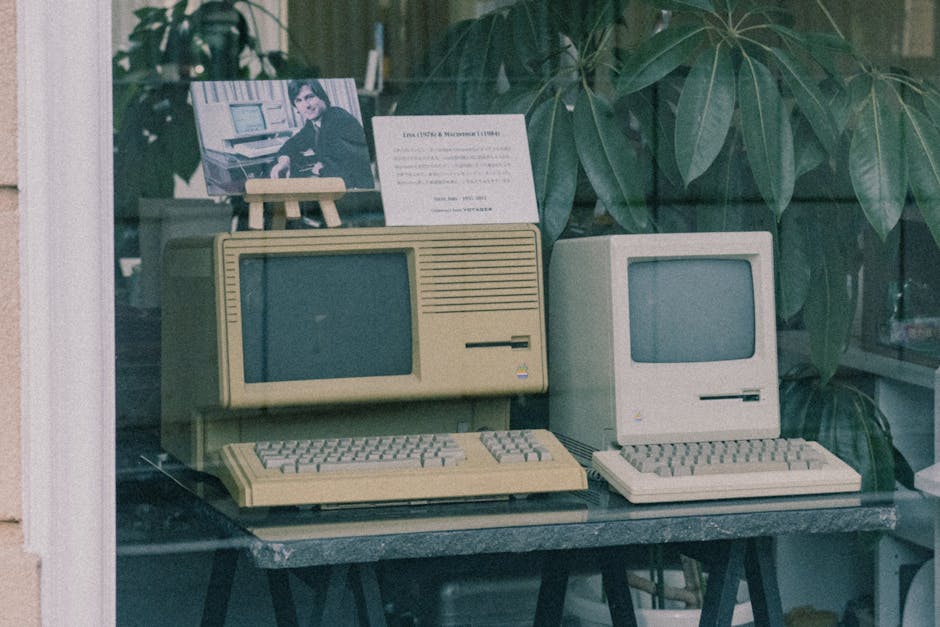
Photo: Derek Xing / Pexels
التكنولوجيا بتتحرك أسرع من قدرتنا على ملاحقتها، وورا كل جهاز في إيدك قصة غريبة. واحدة منها: موبايلك أقوى من كمبيوتر أبولو بمليون مرة. المعلومة دي بتفكرك إن التطور التقني مليان مصادفات وعبقريات مشهورة ومجهولة.
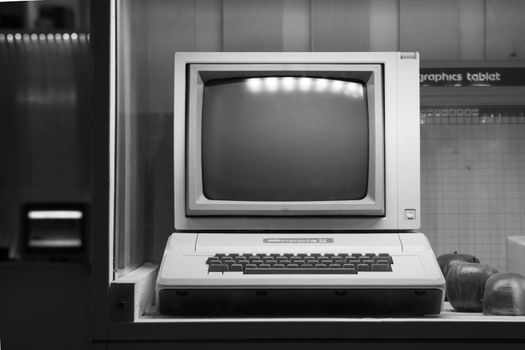
كمبيوتر أبولو اللي نزل البشر على القمر كان معالجه 0.043 ميجا هرتز وذاكرته 64 كيلوبايت. موبايلك النهارده أسرع منه بأكتر من مليون مرة — وبتحسبها في جيبك.
أغلب الاختراعات اللي غيرت حياتنا ماكانش الهدف منها اللي وصلتله — الإنترنت اتعمل للجيش، والواي فاي جاله أساسه من ممثلة هوليوود، والميكروويف اتكشف بصدفة لما شكولاتة دابت في جيب مهندس. التاريخ التقني مليان صدف سعيدة زي دي.
سرعة التطور التقني مش طبيعية تاريخيًا — الناس استنوا آلاف السنين بين اختراع العجلة والطباعة، بس في آخر 50 سنة بس اتغير كل حاجة: كمبيوتر في كل جيب أقوى من أجهزة وكالة ناسا زمان. مين يعرف اللي جاي في العشر سنين الجاية؟
ورا كل تقنية 'سهلة' بنستخدمها، فيه طبقات تعقيد مابنشوفهاش — ضغطة زرار بتشتغل ملايين الترانزستورات، وبحث على جوجل بيعدي بسيرفرات حول العالم في أجزاء من الثانية. التكنولوجيا العظيمة هي اللي بتخلي التعقيد ده يختفي خلف واجهة بسيطة.
التقنية بتغير مش بس الأجهزة — بتغير عاداتنا وعلاقاتنا وطريقة تفكيرنا. الموبايل غير إزاي بنتكلم ونشوف ونتعلم ونعمل، والذكاء الاصطناعي بيكتب فصل جديد لسه محدش عارف نهايته. اللي بنقراه النهارده ممكن يبقى 'الأيام دي' اللي هنحكي عنها بكرة.
الناس اللي عملوا التقنية دي مش عباقرة خارقين — أغلبهم مهندسين فضوليين سألوا 'ليه مش نجرب؟' وجربوا لحد ما نجحوا. التاريخ التقني بيعلمنا إن الفضول والتجريب أهم من العبقرية — كل اختراع بدأ بحد رفض يقبل إن 'مفيش طريقة أحسن'.
والملاحظ إن التقنية بتتسارع على نفسها — كل اختراع بيسهل اللي بعده، فالفترات بين الثورات التقنية بتقصر. الطباعة استغرقت قرون تنتشر، التلفزيون سنين، والإنترنت شهور. الجيل اللي النهارده بيشوف تحولات كان أجداده محتاجين عشر أعمار عشان يشوفوها.
وفي النهاية، السؤال مش 'التكنولوجيا هتوصل لفين؟' — السؤال 'إحنا نوصلها لفين؟' الأدوات بتتطور بسرعة، بس اختيار استخدامها فاضل بين إيدينا. المعلومة دي جزء من فهم العالم اللي بيتشكل حوالينا كل يوم.
التكنولوجيا اللي بنعتبرها بديهية النهارده كانت خيال علمي قبل كام جيل — واللي بنتخيله خيال النهارده ممكن يبقى بديهي لولادنا. خليك دايمًا فضولي، لأن المستقبل بيتبني بسرعة.
Technology moves faster than we can track, and behind every device in your hand lies a strange story. One of them: Your Phone Is a Million Times Stronger Than Apollo's Computer. Facts like this remind us that technical progress is full of accidents and unsung geniuses.
The Apollo guidance computer ran at 0.043 MHz with 64 KB of memory. The phone in your pocket is over a million times more powerful — and you use it to watch cat videos.
Most life-changing inventions did not aim for what they became — the internet was built for the military, Wi-Fi's foundation came from a Hollywood actress, and the microwave was discovered when a chocolate bar melted in an engineer's pocket. Tech history is full of lucky accidents like this.
The pace of technological change is historically abnormal — humanity waited thousands of years between the wheel and printing, but in the last 50 years alone everything changed: a computer in every pocket stronger than NASA's old machines. Who knows what the next decade brings?
Behind every 'simple' technology we use hide layers of invisible complexity — a button press runs millions of transistors; a Google search races through servers worldwide in milliseconds. Great technology is the kind that makes all that complexity disappear behind a simple interface.
Technology changes more than devices — it changes our habits, relationships, and ways of thinking. The smartphone reshaped how we talk, see, learn, and work, and AI is writing a new chapter nobody can predict. What we read today may be the 'old days' we tell stories about tomorrow.
The people who built this technology are not superhuman geniuses — most are curious engineers who asked 'why not try?' and kept trying until it worked. Tech history teaches us that curiosity and experimentation matter more than genius — every invention began with someone refusing to accept 'there is no better way.'
Notice that technology accelerates itself — every invention makes the next one easier, so the gaps between revolutions keep shrinking. Printing took centuries to spread, television took years, the internet took months. Today's generation witnesses transformations their ancestors needed ten lifetimes to see.
The technology we take for granted today was science fiction a few generations ago — and what we call fiction today may be mundane for our kids. Stay curious, because the future is being built fast.