روسيا فيها 11 توقيت
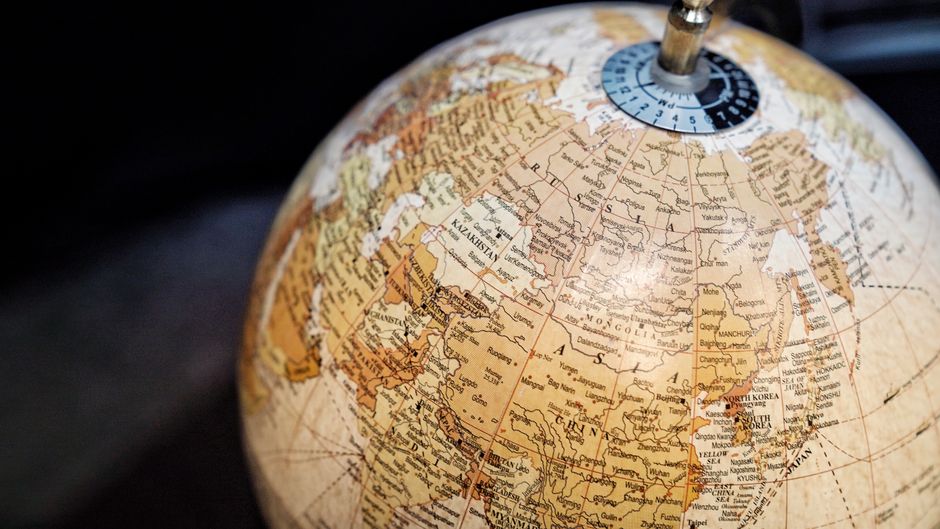
Photo: UMA media / Pexels
كوكب الأرض مليان أماكن ومفارقات جغرافية بتتحدى التخيل، وواحدة من أغربها: روسيا فيها 11 توقيت. الجغرافيا مش مجرد خرايط — هي قصص مكتوبة بالجبال والمحيطات والحدود.
روسيا أكبر دولة في العالم (17 مليون كم²) وبتمتد على 11 منطقة زمنية — لما الشرق بيفطر بيكون الغرب لسه بيتعشى. فيه مدن أقرب لأمريكا منها لموسكو.
الخرايط اللي بنشوفها كل يوم بتكذب علينا بطريقة أنيقة — إسقاط مركاتور بيكبر الشمال ويصغر خط الاستواء، فبلاد زي جرينلاند بتبان ضخمة وهي أصغر بكتير مما تبدو. الحقيقة الجغرافية دايمًا أغرب من الصورة اللي في دماغنا.
الحدود على الخريطة خطوط بسيطة، لكن على الأرض هي قصص معقدة — فيه حدود بتقسم شعوب، وحدود في نص بحيرات، وحدود بتتحرك مع الأنهار. كل خط على الخريطة وراه اتفاقيات ومعارك ومصادفات تاريخية رسمت وجه العالم.
الجغرافيا بتتحكم في التاريخ أكتر مما نتخيل — الحضارات قامت جنب الأنهار، والإمبراطوريات وقفت عند الجبال والبحار، والمدن العظيمة اتبنت فين التجارة ممكن تعدي. شكل الأرض هو اللي كتب نص التاريخ البشري.
كوكبنا فيه أماكن بتتحدى التصديق — صحاري بتتجمد، ومحيطات بتغلي، وجزر بتظهر وتختفي، وأنهار بتجري تحت الأرض. الجغرافيا الحقيقية أغرب من أي عالم متخيل في قصص الفانتازيا.
لما بتعرف جغرافية مكان معين، بتفهم ناسه وثقافته وتاريخه — المناخ بيشكل الأكل واللبس والعمارة وحتى الطباع. اللي بتقراه النهارده مش مجرد رقم على خريطة، هو مفتاح يفتح باب يوصلك لفهم حضارة كاملة.
والخرائط مش بس بتوري الأماكن — بتوري إزاي البشر اتوزعوا على الكوكب واتأثروا بيه. كل حد بترسمه البشرية هو حوار بين الإنسان والأرض: جبال بتفصل، أنهار بتوصل، وسواحل بتحكي قصص الهجرة والتجارة اللي شكلت العالم اللي بنعرفه.
واللي بيفضل ثابت وسط كل ده إن الخريطة مش هي الأرض — هي بس محاولة لتلخيصها. الحقيقية على الأرض أغنى وأعقد، وكل معلومة جغرافية هي دعوة تكتشف العالم بنفسك، سواء بالسفر أو بالقراية والفضول.
الجغرافيا بتعلمنا إن الدنيا أكبر وأغرب من أي حدود بنرسمها. كل مكان على الخريطة وراه حكاية، وكل حكاية بتفكرك إن كوكبنا لسه مليان أماكن تستاهل الاكتشاف.
Planet Earth is full of places and geographic paradoxes that defy imagination, and one of the strangest is: Russia Spans 11 Time Zones. Geography is not just maps — it is stories written in mountains, oceans, and borders.
Russia, the world's largest country at 17 million km², stretches across 11 time zones — when the far east eats breakfast, the west is still at dinner. Some towns are closer to America than to Moscow.
The maps we see every day lie to us elegantly — the Mercator projection inflates the north and shrinks the equator, making places like Greenland look huge when they are far smaller. Geographic reality is always stranger than the picture in our heads.
Borders are simple lines on a map but complicated stories on the ground — some divide peoples, some run through lakes, some shift with rivers. Every line hides treaties, battles, and historical accidents that drew the face of the world.
Geography steers history more than we imagine — civilizations rose beside rivers, empires stopped at mountains and seas, and great cities were built where trade could pass. The shape of the land wrote half of human history.
Our planet holds places that defy belief — deserts that freeze, oceans that boil, islands that appear and vanish, rivers that run underground. Real geography is stranger than anything fantasy writers ever imagined.
Knowing a place's geography unlocks its people, culture, and history — climate shapes food, clothing, architecture, even temperament. What you just read is not merely a map fact; it is a key opening a door to understanding an entire civilization.
Maps show more than places — they show how humans spread across the planet and were shaped by it. Every border humanity draws is a dialogue between people and the Earth: mountains that divide, rivers that connect, and coastlines that tell the stories of migration and trade that shaped the world we know.
Geography teaches us the world is bigger and stranger than any border we draw. Every place on the map has a story, and every story reminds you our planet is still full of places worth discovering.


